Hurricane Financial Preparedness: Protecting Your Assets When Storms Approach
06/02/2025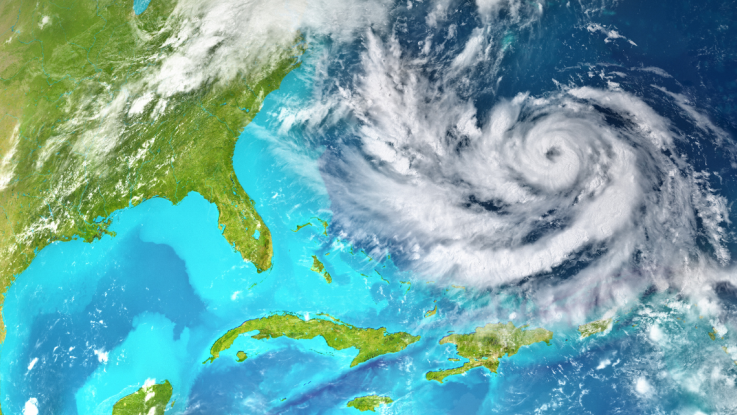
The Gulf Coast region is particularly susceptible to hurricanes, with several significant hurricanes impacting the area.
Residents of Houston and the surrounding areas need to be prepared financially and physically for the possibility of damaging hurricanes.
With a financial readiness plan, you can reduce your hurricane stress and recover quicker from the next storm.
Emergency Fund
Having a solid emergency fund in place can relieve financial pressure following a disaster. Aim for 3-6 months’ worth of expenses in your savings.
Important Document Organization and Digitization
Recouping essential documents that may have been lost in a storm can be a significant source of stress. Keep your most important documents together in a waterproof safe or secure place that you can easily pack if you need to evacuate. Don’t forget to save digital copies of each document. Talk to us about our digital vault options! Here are some ideas for items to include:
If you sustained any damage to your home or property, you will likely be filing insurance claims. Having this information handy before a hurricane can save you time and frustration later on. Some factors to consider include:
Home Improvement Investments That Reduce Future Damage
Investing in your home can significantly improve the safety of your family and property. Upgrades like reinforced roofs, hurricane-impact windows, storm shutters, and drainage systems can protect your property and lower insurance premiums.
Geographic Diversification of Assets
Just like you diversify assets in your portfolio, it’s also vital to prioritize geographic diversification. This is especially key if you hold real estate, businesses, or rental properties in hurricane-prone areas. By varying the regions where you invest in property, you can reduce the financial impact if a storm hits one location hard.
Emergency Budget Planning
A standard emergency fund covering three to six months’ worth of expenses is recommended for everyone. But for those in hurricane-prone areas, including a buffer for temporary housing, evacuation costs, and insurance deductibles, is a smart idea.
Retirement and Investment Considerations
Periodically review your portfolio's risk exposure, especially if you own property in high-risk storm regions. Look into insurance products, like umbrella or flood insurance, for homes, businesses, and other property. You should also consider factoring relocation or rebuilding costs into your long-term financial plan.
This is provided for informational purposes. The views expressed herein are those of the author and do not necessarily reflect the views of Steward Partners or its affiliates. All opinions are subject to change without notice. Neither the information provided, nor any opinion expressed constitutes a solicitation for the purchase or sale of any investment or insurance products. All investing involves risk including possible loss of principal. Past performance is no guarantee of future results.
Steward Partners offers insurance products in conjunction with its licensed insurance agency affiliates.
Residents of Houston and the surrounding areas need to be prepared financially and physically for the possibility of damaging hurricanes.
With a financial readiness plan, you can reduce your hurricane stress and recover quicker from the next storm.
Before Hurricane Season: Financial Foundation
The best time to prepare is well before a hurricane is headed your way. Here are the crucial documents and financial needs to protect you and your family after a storm:Emergency Fund
Having a solid emergency fund in place can relieve financial pressure following a disaster. Aim for 3-6 months’ worth of expenses in your savings.
Important Document Organization and Digitization
Recouping essential documents that may have been lost in a storm can be a significant source of stress. Keep your most important documents together in a waterproof safe or secure place that you can easily pack if you need to evacuate. Don’t forget to save digital copies of each document. Talk to us about our digital vault options! Here are some ideas for items to include:
- Insurance policies
- Deeds
- Titles
- Wills
- Birth certificates
- Bank statements
- Investment information
- Tax returns
If you sustained any damage to your home or property, you will likely be filing insurance claims. Having this information handy before a hurricane can save you time and frustration later on. Some factors to consider include:
- Homeowners/renters' insurance gaps: Make sure there are no gaps in your coverage; you want to be fully protected, whether it’s storm season or not.
- Flood insurance considerations: Flood insurance is highly recommended for hurricane-prone areas. However, many policies have a 30-day waiting period for full coverage to kick in after purchase.
- Wind damage coverage: Wind damage coverage is a common component of most homeowners' insurance policies; however, the details of that coverage do vary. Check your insurance policy for exclusions or higher deductibles you might not know.
- Comprehensive auto insurance coverage: protects your vehicle from “other than collision” situations, including hurricanes and other extreme weather events.
Immediate Pre-Storm Financial Checklist
If a hurricane is in the forecast, getting ready as soon as possible is essential. Some of the key pre-storm necessities include:- Have cash on hand. ATMs and banks may not be available after a hurricane, so it’s essential to withdraw cash well before a storm. Experts recommend about $1,000 to $2,000, depending on your needs.
- Pay bills in advance to avoid late fees.
- Know where your credit cards are, and keep them in a safe, accessible location.
- Make a list of contact information for any financial institutions you use.
- Secure portable valuables that you plan to take with you in the event of an evacuation.
Post-Hurricane Financial Recovery
The list of tasks following a hurricane can feel very overwhelming. Having a plan of action in place ahead of time can help you feel more organized and in control after a storm. Some of the steps to take after a hurricane include:- Know the documentation procedures for filing claims with your insurance.
- Photograph the damage before making any repairs. Take clear photos and videos of the damage, capturing wide shots and close-ups. Create an inventory of affected items, and include receipts, estimated values, and other essential details.
- Visit DisasterAssistance.gov to help you apply for FEMA disaster assistance.
- Understand tax implications and potential deductions for natural disaster losses. For example, the Federal Disaster Relief Act of 2023 assists taxpayers affected by federally declared disasters. The
- IRS also tends to extend tax deadlines, including estimated and installment payments, if you have been affected by a natural disaster.
- Avoid scams that target disaster victims, including people or groups impersonating government officials or fake charitable organizations.
Long-Term Financial Hurricane Resilience
If you plan to live in a hurricane-prone area in the long term, you can make some longer-term improvements to your home and financial plan that can help you weather future storms.Home Improvement Investments That Reduce Future Damage
Investing in your home can significantly improve the safety of your family and property. Upgrades like reinforced roofs, hurricane-impact windows, storm shutters, and drainage systems can protect your property and lower insurance premiums.
Geographic Diversification of Assets
Just like you diversify assets in your portfolio, it’s also vital to prioritize geographic diversification. This is especially key if you hold real estate, businesses, or rental properties in hurricane-prone areas. By varying the regions where you invest in property, you can reduce the financial impact if a storm hits one location hard.
Emergency Budget Planning
A standard emergency fund covering three to six months’ worth of expenses is recommended for everyone. But for those in hurricane-prone areas, including a buffer for temporary housing, evacuation costs, and insurance deductibles, is a smart idea.
Retirement and Investment Considerations
Periodically review your portfolio's risk exposure, especially if you own property in high-risk storm regions. Look into insurance products, like umbrella or flood insurance, for homes, businesses, and other property. You should also consider factoring relocation or rebuilding costs into your long-term financial plan.
Financial Planning Services for Disaster Preparedness
At Centera Private Wealth, we are committed to assisting our clients as they prepare for life’s financial ups and downs. From hurricane preparedness consultations to portfolio reviews for disaster resilience, we can help you weather tomorrow’s storms with greater confidence.This is provided for informational purposes. The views expressed herein are those of the author and do not necessarily reflect the views of Steward Partners or its affiliates. All opinions are subject to change without notice. Neither the information provided, nor any opinion expressed constitutes a solicitation for the purchase or sale of any investment or insurance products. All investing involves risk including possible loss of principal. Past performance is no guarantee of future results.
Steward Partners offers insurance products in conjunction with its licensed insurance agency affiliates.